Journal
A traditional craft with a modern future
The Role of a Modern Bespoke Cabinet Maker
September. 2022
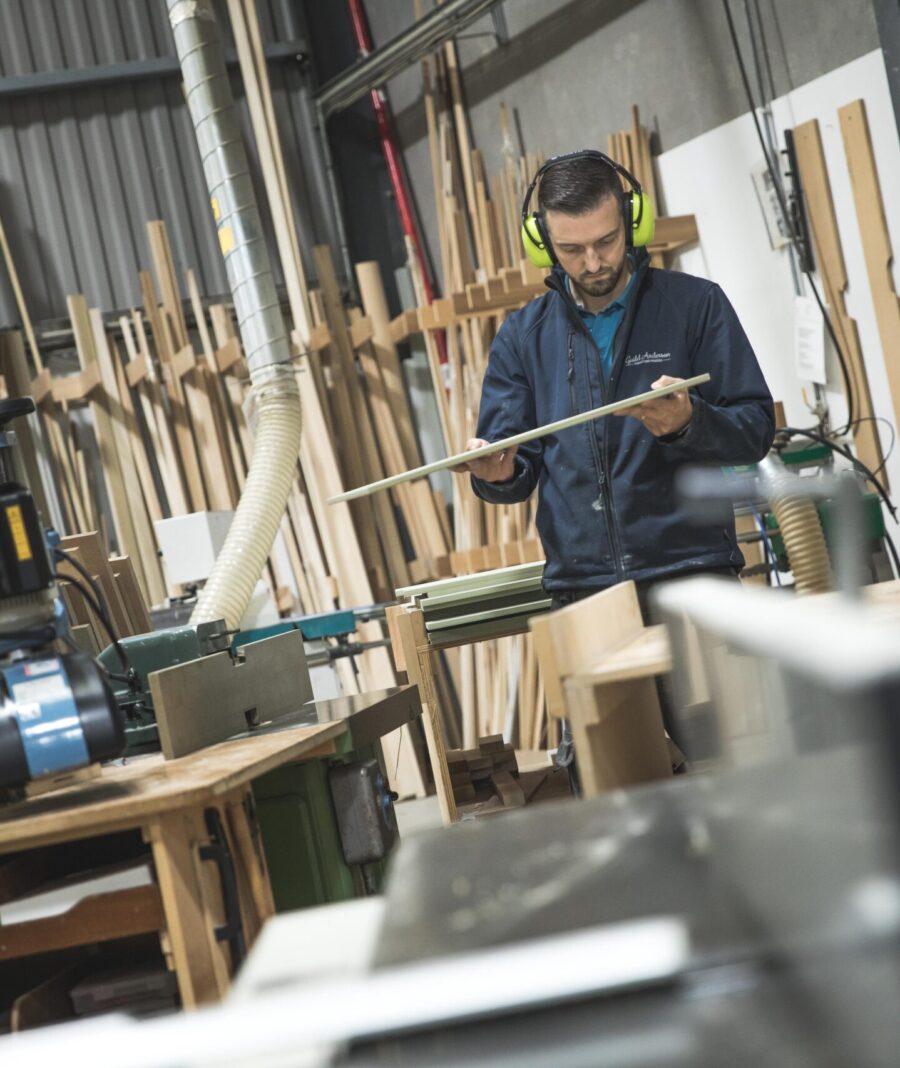
Mastering the techniques required to turn any raw material into a crafted object requires sensitivity, skill, hard work and training. To turn a piece of wood in to a useful piece of furniture requires attention to detail, understanding of raw timber, and a mastery of specialist tools. Coupled with a desire to learn, the role of a modern cabinet maker is more than a job, it is a true vocation. More recently acute labour shortages of skilled workers has left the industry questioning why individuals are not keen to learn this ancient and valued craft.
A Long History of Cabinet Making
Each period in history has defined its own style of furniture in the way that it has carved, shaped, moulded wood, metal and stone to form chairs, tables, chests or cabinets. And throughout history furniture designers have put their name to these styles.
With our country’s long history of cabinet making, many of Britain’s artisans during the Tudor period moved to Britain from overseas, with evidence of many foreign craftsmen working in London in the 16th century. They naturally gravitated to the capital due to its excellent opportunities, creating enormous influence on the craft.
During the 17th and 18th centuries, a different breed of cabinetmaker developed, as wood-carving skills and intricate marquetry received great recognition, and the humble cabinet was no longer seen as a simple storage unit. Increasingly used to store more precious items, often large in size these carved and ornate cabinets sat proudly as the focus of a room.
The industrial revolution in the 18th century impacted almost all trades, along with the invention of electricity in the mid-19th century, these two factors changed the cabinet making trade forever. With the invention of the circular saw, and the first ever electric hand drill, cabinet makers could now cut and manipulate wood much faster than ever before.
There is a genuine need for skilled cabinet makers. It can take years to learn about the qualities of different woods and to hone making skills, but through dedication and a genuine passion it is an incredibly rewarding profession.
A Modern Approach to Cabinet Making
And so a modern era of “cabinet making” saw mass produced pre-designed furniture, accessible to all, allowing rooms to be quickly fitted and turned in to living spaces. This new era paved the way for modern techniques that has seen mass produced furniture and kitchens generating significant profits by manufacturing at volume.
Democratising though this new mass manufacturing process was, in the late 1800s the Arts and Crafts movement was born out of a desire to reject this new mechanical age. It perceived a decline in standards associated with machinery and factory production and a loss of human qualities and personality, promoting instead a return to traditional skills, and the crafting of furniture once again by hand.
Today in a world facilitated by computers, engineering and manufacturing can now be controlled at the push of a button. In the last few decades computer driven mass production has given us a much greater choice, but many believe this unlimited choice has come at the cost of a loss of individuality and quality.
More recently there has begun a genuine social change in the way that we live. More and more people are rejecting mass-produced products in favour of handmade items mirroring the original Arts and Crafts Movement philosophy.
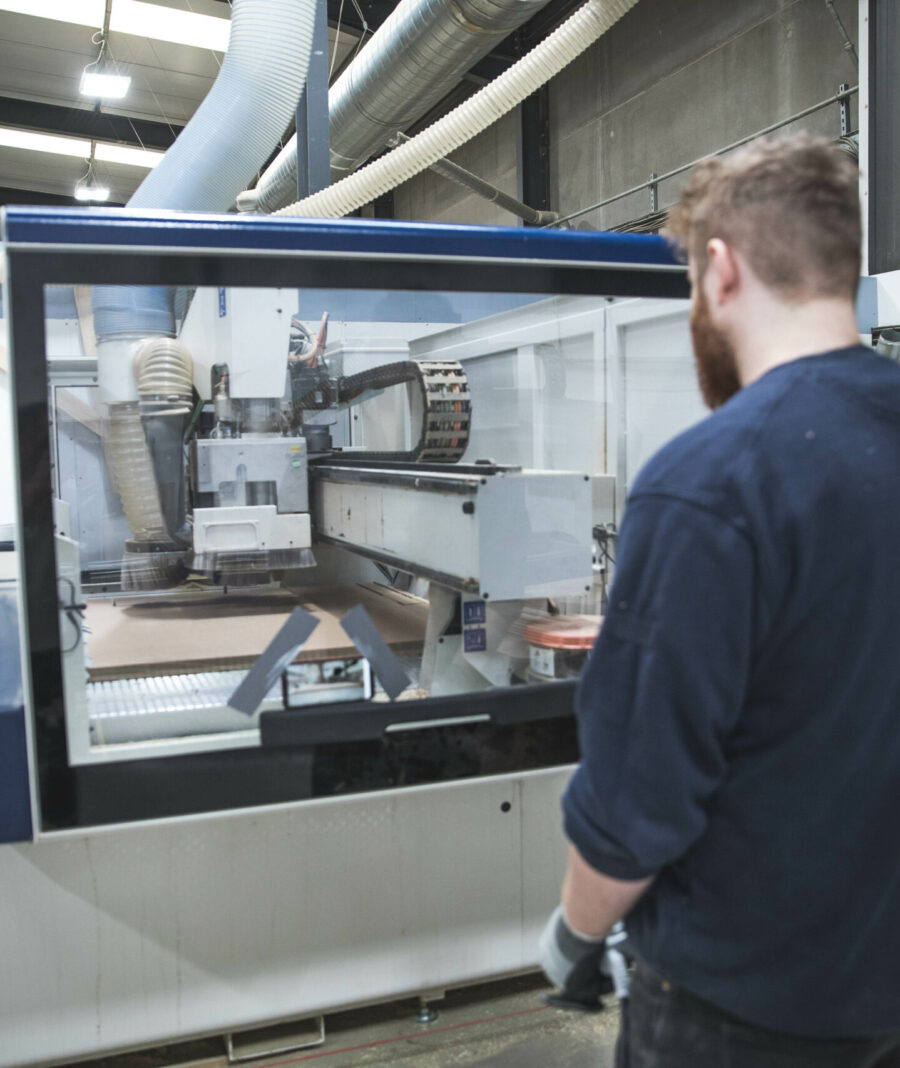
However today, rather than completely rejecting modern techniques, manufacturers are utilising the internet and machinery to create individual or bespoke pieces. Consumers are now more keen to source high quality bespoke furniture that enhances their homes.
The Role of a Modern Cabinet Maker
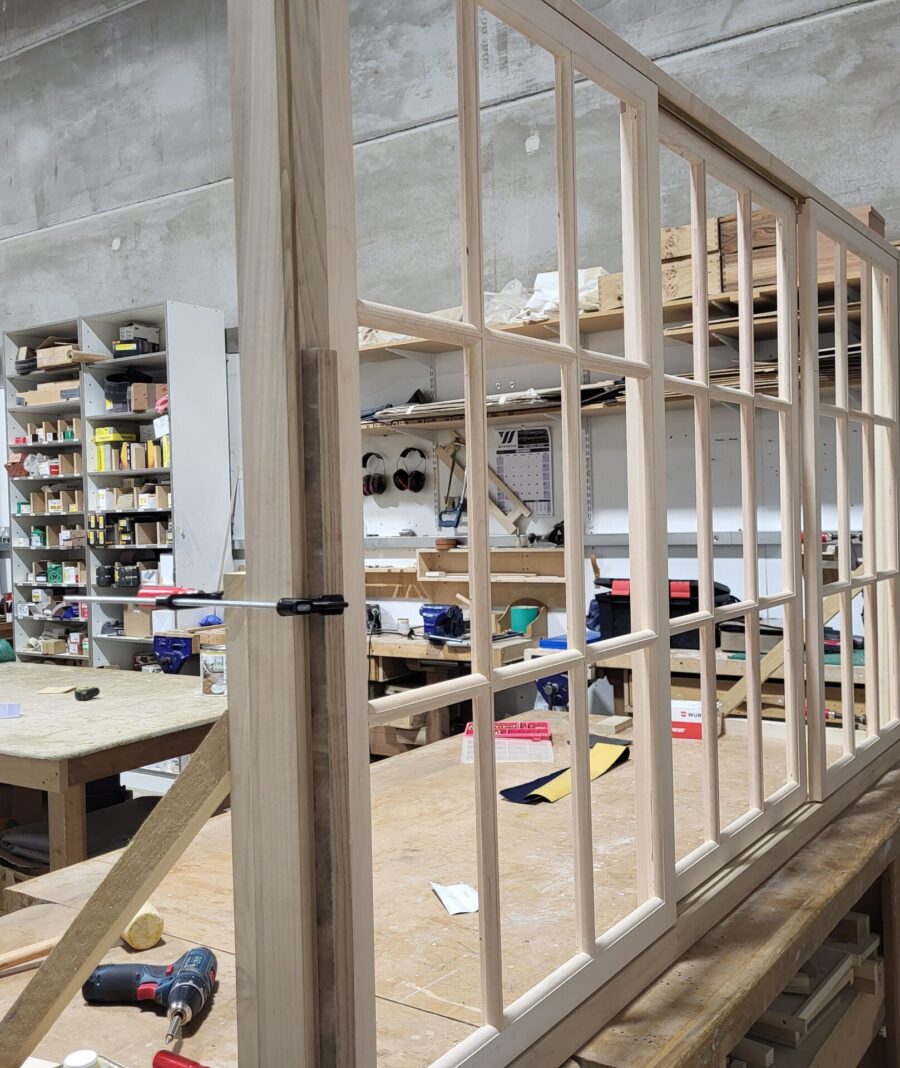
Today cabinet makers are required to learn all of the estate cabinetry skills that their predecessors perfected, but with the added benefit of using hand and power tools. Like these modern craftsmen the actual word “cabinet” has itself evolved; now referring to a built-in piece of furniture in a kitchen or bathroom, rather than a free standing piece in the centre of a room.
The constant that has remained throughout time is that a truly bespoke piece of furniture designed and made today will continue to be the antique of the future. A solid, well-made piece of furniture can outlive its owner, it can be handed down through the generations, moulding the very fabric of the building it is designed for.
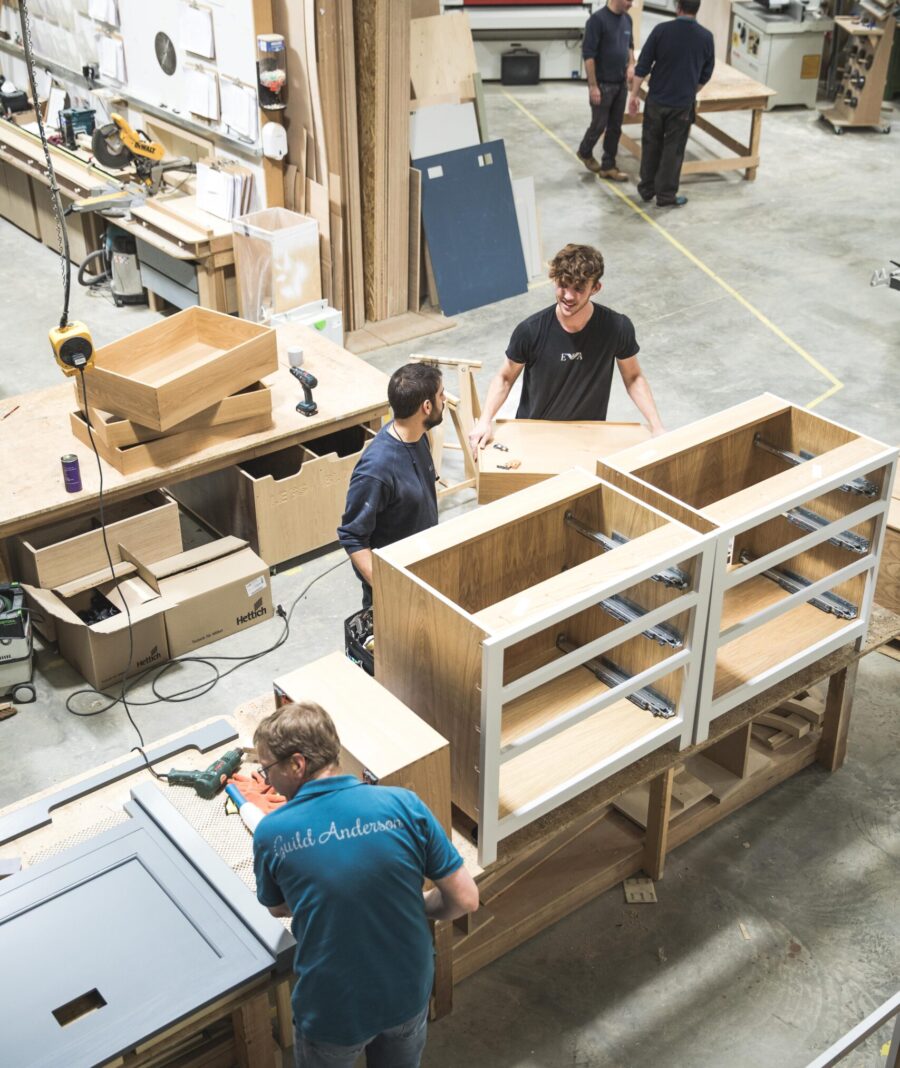
Our workshop, positioned high on the Fonthill Estate in Wiltshire is a bright, airy, and extremely organised space; filled with tools, craft and wood shavings. We are proud of our experienced team that are dedicated to their craft and can pass on their knowledge to new generations of makers keen to learn.
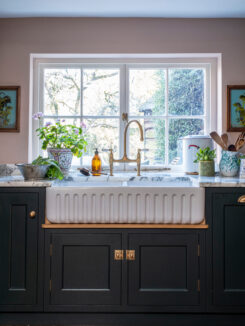
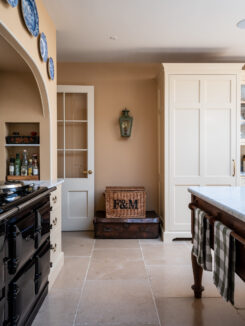
We take inspiration from celebrated period houses and historic back of house spaces that were designed and made by the estate joiner, a specialist trade once closely tied to the long-term stewardship of period buildings. We use traditional cabinet making skills coupled with our tailored 3D design software to meticulously plan, visualise and assist the manufacturing process.
Our team relish the challenges that each project presents, the enormous sense of achievement that they receive from creating something with their hands. They each have a diverse range of skills that cannot be acquired by simply sitting behind a computer screen, or by pushing buttons in a mass manufacturing unit.
A Cabinet Making Apprenticeship
Guild Anderson offer opportunities for any aspiring cabinet maker through an Apprentice scheme. Offering a training program in our workshop, alongside a college course where certain skills must be learnt, acquired and be tested on.
An assessment takes place not just on practical skills but also the theory behind cabinetmaking. A standard apprenticeship would encompass time at a college and learning based experience within the workshop. The college part of an apprenticeship teaches the student the fundamentals and core knowledge needed for this profession, and how this translates in practical terms is learned in the workplace.
The industry is crying out for individuals to learn these skills, to keep traditions alive through a progressive, modern approach, with clients keen to search out specialist manufacturers that produce unique pieces.
We are always interested in meeting kitchen designers, cabinet makers, project managers, fitters and anyone else passionate about country house interiors. We’d love to hear from you, even if you’re just curious, so please do get in touch.
Visit our careers page for details about our current vacancies.