Journal
The modern kitchen has become the centre of family life, often a large open room used for a multitude of tasks from cooking to socialising. Yet with this openness comes a practical challenge; how to keep the room calm and welcoming while everyday life unfolds around it.
This is where ‘dirty kitchen design’ comes into its own. Far from being a modern invention, the dirty kitchen is simply the contemporary name for a traditional kitchen scullery or back-of-house kitchen, a hardworking space where the practical business of cooking, washing up and organising daily life takes place. For centuries, English houses were designed this way. Today, homeowners are rediscovering the quiet brilliance of these separate ancillary spaces. According to Charlotte McCaughan-Hawes at House & Garden magazine “They are perhaps the ultimate house luxury”. Rita Konig couldn’t agree more and loves them, saying “these back-of-house rooms bring order that makes life more comfortable, and ultimately luxury is about comfort”.
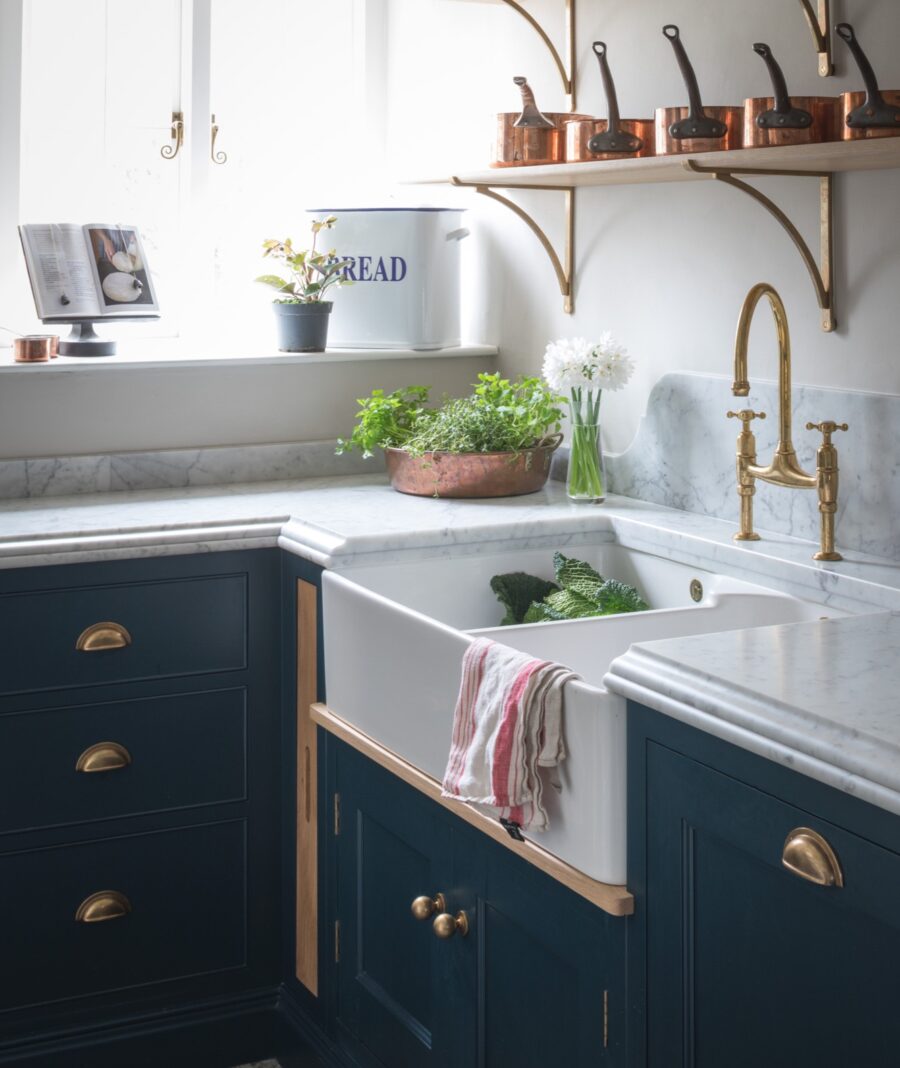
What Is a Dirty Kitchen?
A dirty kitchen is a secondary kitchen space positioned beside or just behind the main kitchen.
It is designed for the practical work of cooking preparation, washing dishes, storing small appliances and managing household organisation, allowing the main kitchen to remain calm and welcoming.
In traditional homes, this room would have been known as the kitchen scullery.
Typical features include:
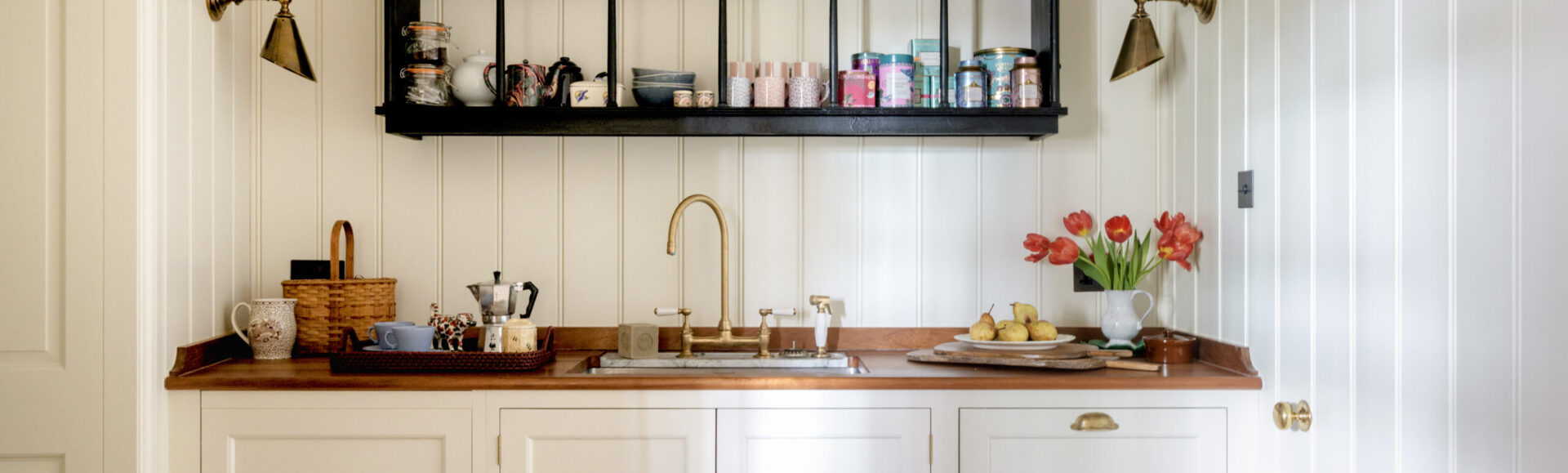
- A large sink or Butler’s sink
- Dishwashers and recycling storage
- Additional refrigeration or freezer space
- Small appliance cupboards
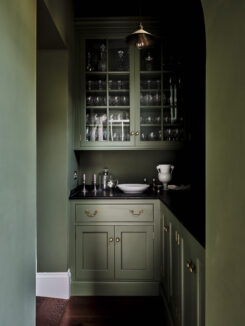
- Shelving for glassware and crockery
In essence, it becomes the working engine of the kitchen, quietly supporting the life of the house.
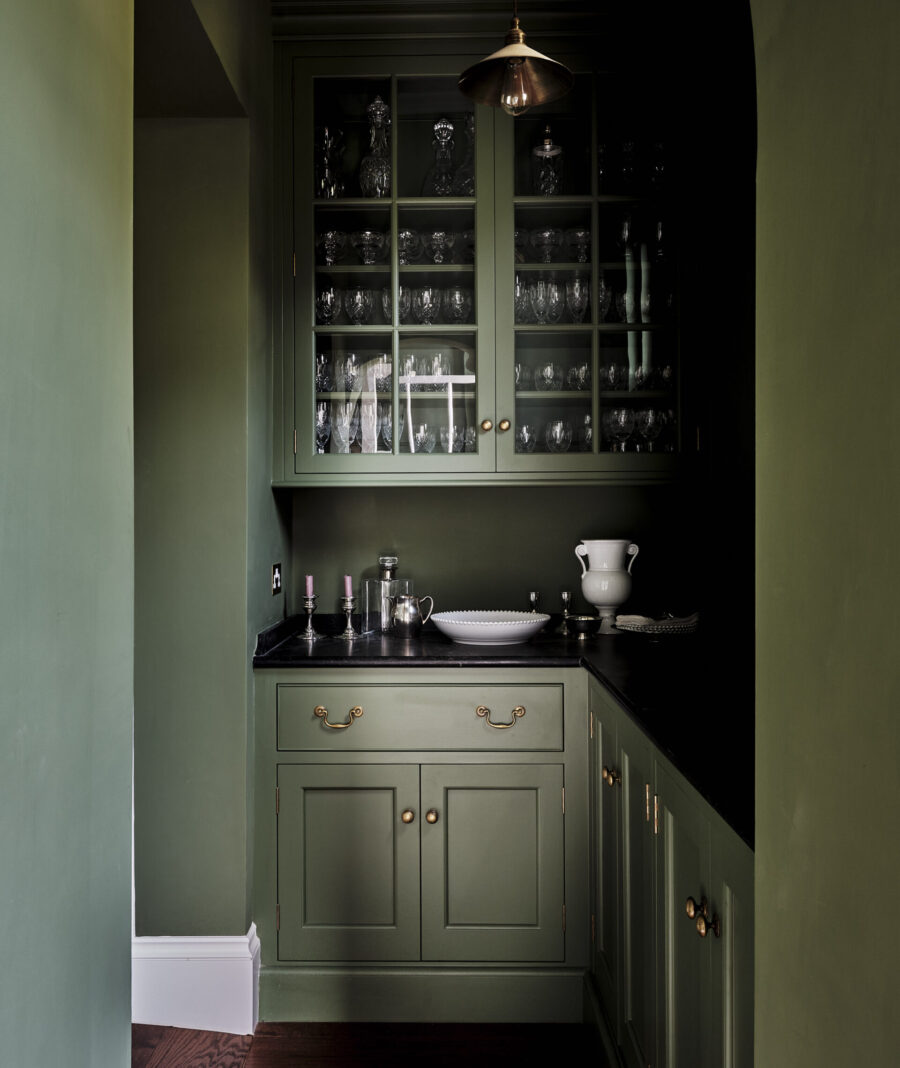
Why Dirty Kitchens Are Becoming Popular Again
Open-plan living has transformed the way we use our homes. The modern kitchen is no longer simply a place to cook, it forms a space in which to socialise, relax and eat. As a secondary kitchen, the dirty kitchen provides a graceful solution to the mess, noise and smells from cooking. Instead of hiding the kitchen entirely, it allows the practical elements of cooking to move into a dedicated working space, while the main kitchen remains serene. There are several reasons homeowners are rediscovering dirty kitchens.
Open-Plan Living Needs Hidden Function – When kitchens double as living and dining rooms, the ability to conceal preparation and washing up becomes invaluable.
Better Organisation – Dirty kitchen designs provide space for recycling, appliances and everyday clutter, keeping the primary kitchen beautifully uncluttered.
A Return to Traditional House Planning – Historic English homes were organised with a clear distinction between front-of-house and back-of-house rooms. The modern dirty kitchen design simply reintroduces this architectural logic.
Effortless Entertaining – When hosting guests, food preparation can take place quietly in the working kitchen while the main kitchen remains a welcoming social space. True luxury in a home often lies in this kind of thoughtful practicality.
At Guild Anderson, we view the dirty kitchen not as a trend, but as a continuation of architectural tradition. A room designed for hard work, executed with beauty and care.
Andrew Petherick, Business Development Director
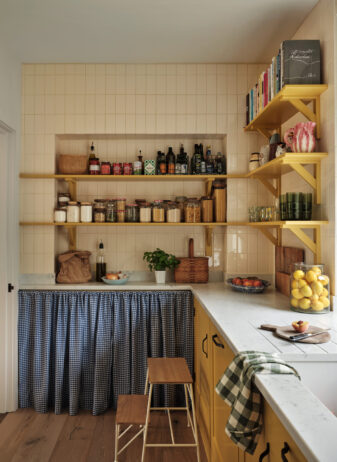
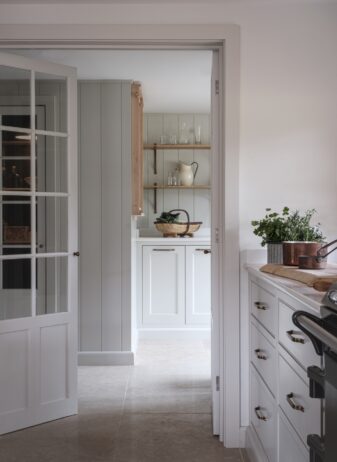
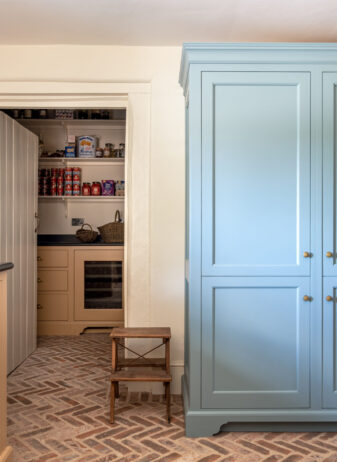
Country houses have inclusive spaces dedicated to the practical rhythm of daily life. Pantries, sculleries, boot rooms, utility rooms were never intended to be showpieces. Yet they are essential to how a house works. Thoughtfully designed, they bring an effortless sense of order to the home.
Nick Anderson
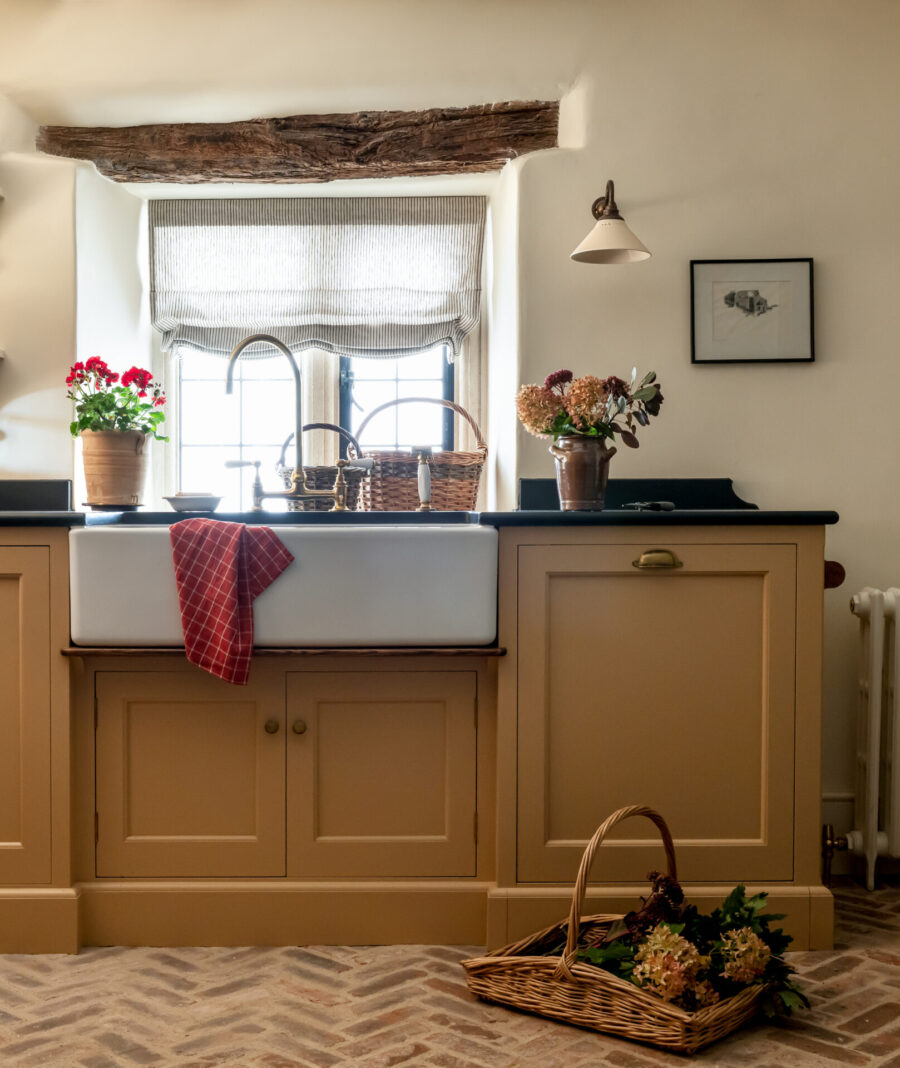
Principles of Good Dirty Kitchen Design
A successful dirty kitchen is not simply a smaller second kitchen. It should complement the main room while performing a specific role within the house. The dirty kitchen should feel like a natural extension of the primary kitchen.
A doorway, pocket door, or small passage can often connect the two rooms, allowing cooking and preparation to move easily between them. This ancillary space must be robust and practical with the addition of large sinks, generous worktops and durable cabinetry allowing the room to perform brilliantly for daily life.
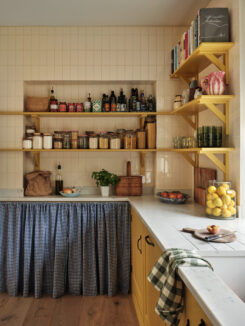
One of the greatest advantages of a dirty kitchen is the ability to remove visual clutter from the main kitchen. Common storage solutions include small appliance cupboards, pantry shelving, recycling storage, glassware and crockery cabinets. The result is a main kitchen that feels calm and beautifully organised.
While the main kitchen may carry decorative detail, the dirty kitchen often benefits from quiet simplicity, yet simplicity does not mean compromise. Good joinery, balanced proportions and thoughtful lighting ensure even the most practical space feels carefully considered.
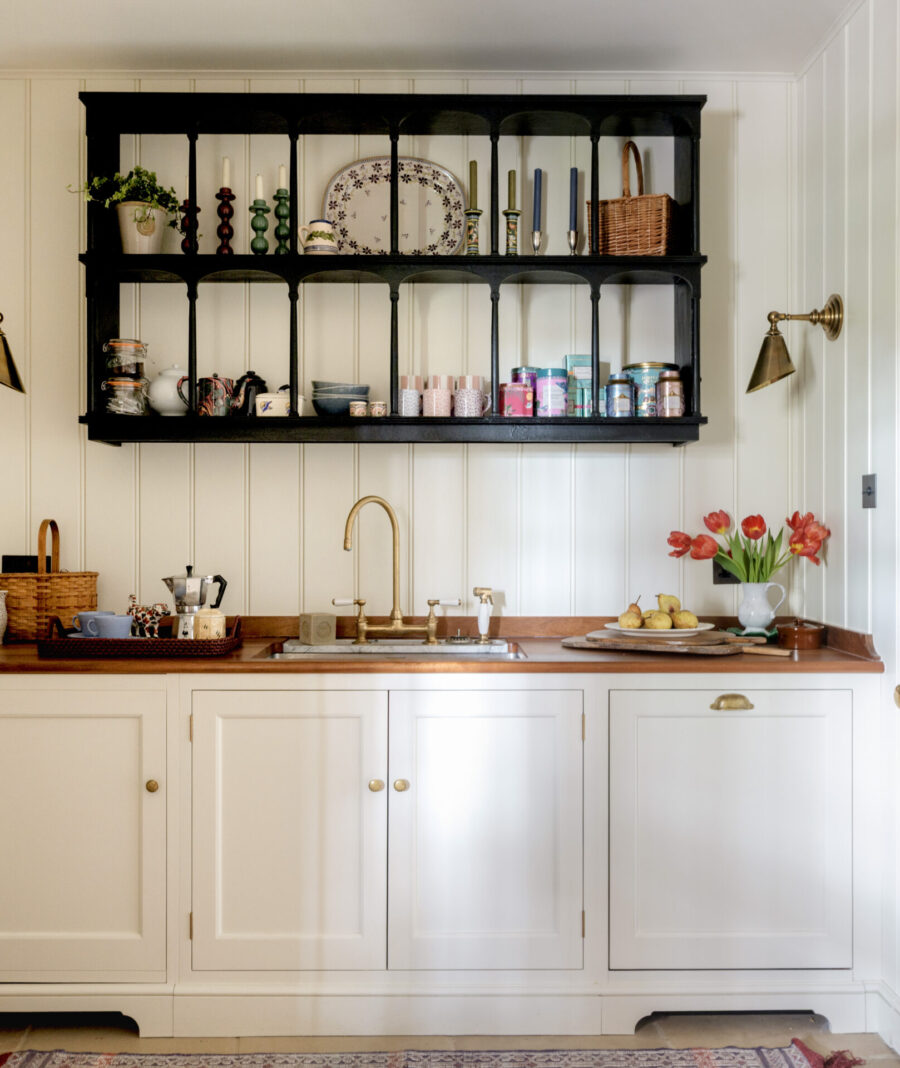
Back-of-House Rooms Designed to Endure
At Guild Anderson, we specialise in estate cabinetry, the art of designing and making rooms of utility that belong to their house, serve daily life beautifully, and endure for generations. They may not always appear in the first photograph of a home, yet they often become the most used and the most loved.
Our cabinetry responds to the proportions, logic and character of our client’s homes, and above all, they are designed to work first. Function is never a compromise.
A dirty kitchen or scullery can transform how the main kitchen functions. By separating the practical tasks of cooking from the social life of the kitchen, these spaces create homes that feel calmer, more organised and more enjoyable to live in. Sometimes the most valuable rooms in a house are the ones working quietly behind the scenes.