
Journal
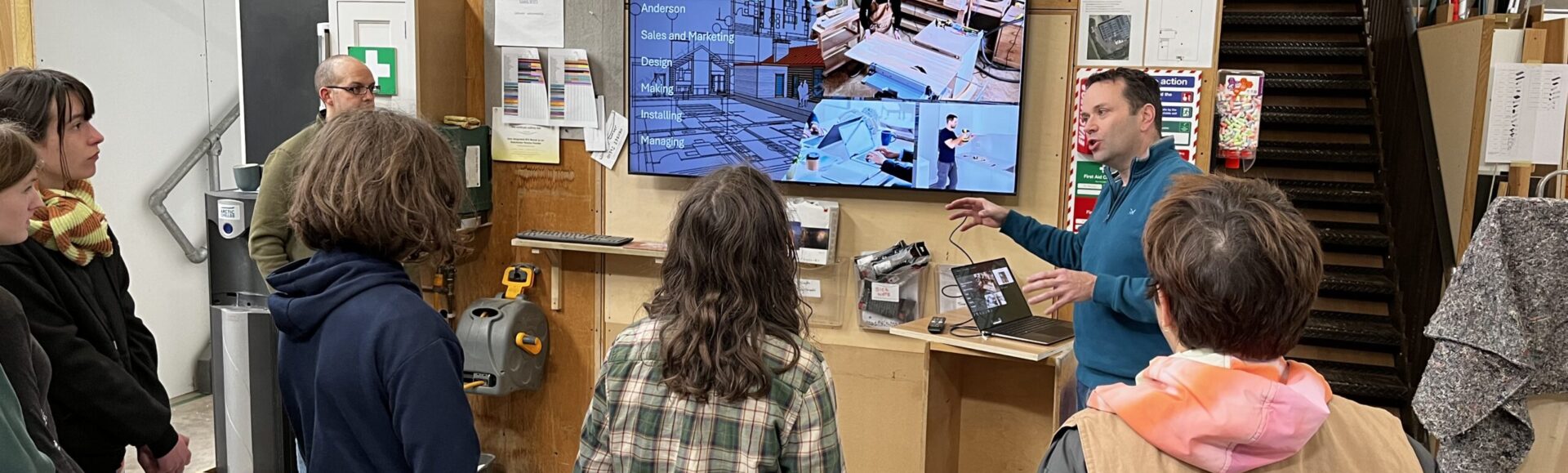
The importance of placing technical education on an equal footing with university
Technical Education Must Lead to Real Employment
August. 2026
Following on from the Government’s July 2026 announcement about it’s plans for future education for our children, our business development director Andrew Petherick discusses why technical education must lead to real employment.
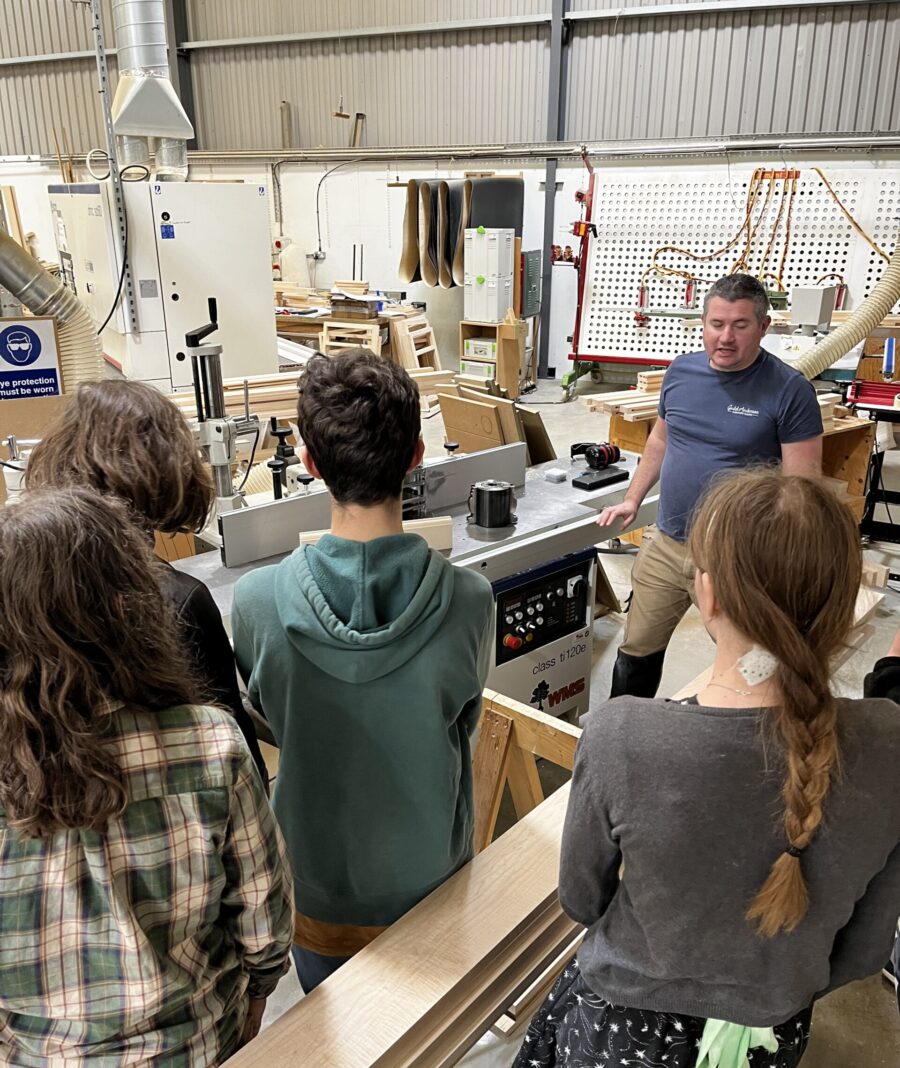
Place Technical Trades on an Equal Footing
“I’ve taken the Government’s recent announcement to place technical trades on an equal footing with university degrees with positivity mixed with both suspicion and frustration. For several decades, practical and creative education in Britain has been progressively diminished. It’s been sad to witness.
Woodwork has largely disappeared as a distinct school subject, absorbed into an increasingly marginalised Design & Technology curriculum. Art and other creative subjects have also been squeezed as successive governments, funding decisions and school performance measures have favoured a narrower academic route. Destruction almost complete, we are now being told this is to be reversed. It’s good news, but it can’t be achieved half cocked.”
"The consequences of previous policies are stark. GCSE entries for Design & Technology have fallen by around 68% in a decade. Approximately one in five schools in England and Wales no longer teaches the subject at all. In England, the number of teachers trained to teach D&T reportedly fell from more than 15,000 in 2009 to around 6,300 in 2024. And with this destruction, gone are the woodworking shops, the machinery and hand tools that many less intellectual children, myself included, found solace, wonder and skill."
Andrew Petherick, Business Development Director
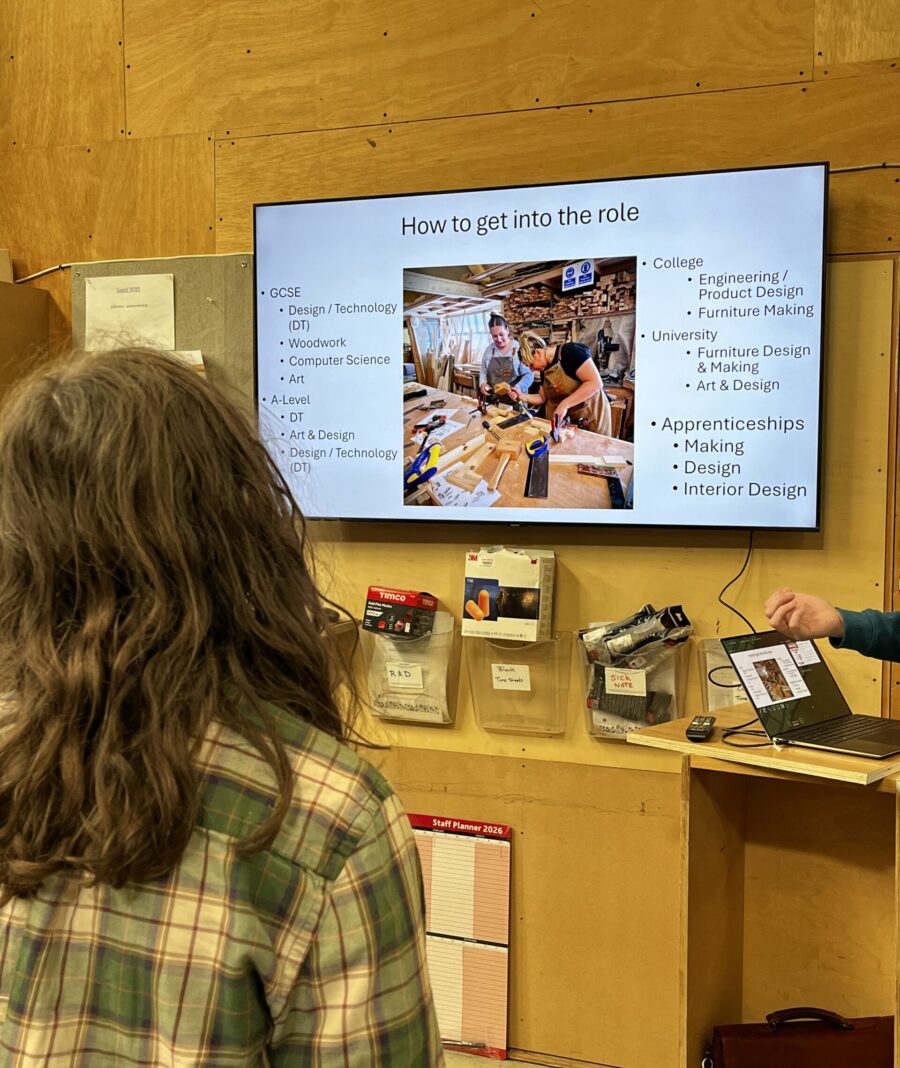
Few Children Have Encountered Wood, Tools & Making
“This is not simply a matter of educational fashion. It means fewer children have encountered wood, tools and making at a formative age. Fewer discover they possess spatial intelligence, manual aptitude or the satisfaction which comes from turning an idea into a well made object. And, as experienced teachers are retiring without sufficient successors, the knowledge required to teach these skills is fast disappearing too.
Against that background, the Government’s announcement that technical education should be placed on par with the traditional academic route is welcome. From 2028, the intention is that pupils from the age of 14 will be able to combine core academic subjects with technical education, work experience and greater contact with employers.
The principle is sound. University should be an excellent route for those suited to it, but it should never have become the only route regarded as evidence of intelligence, ambition or success.”
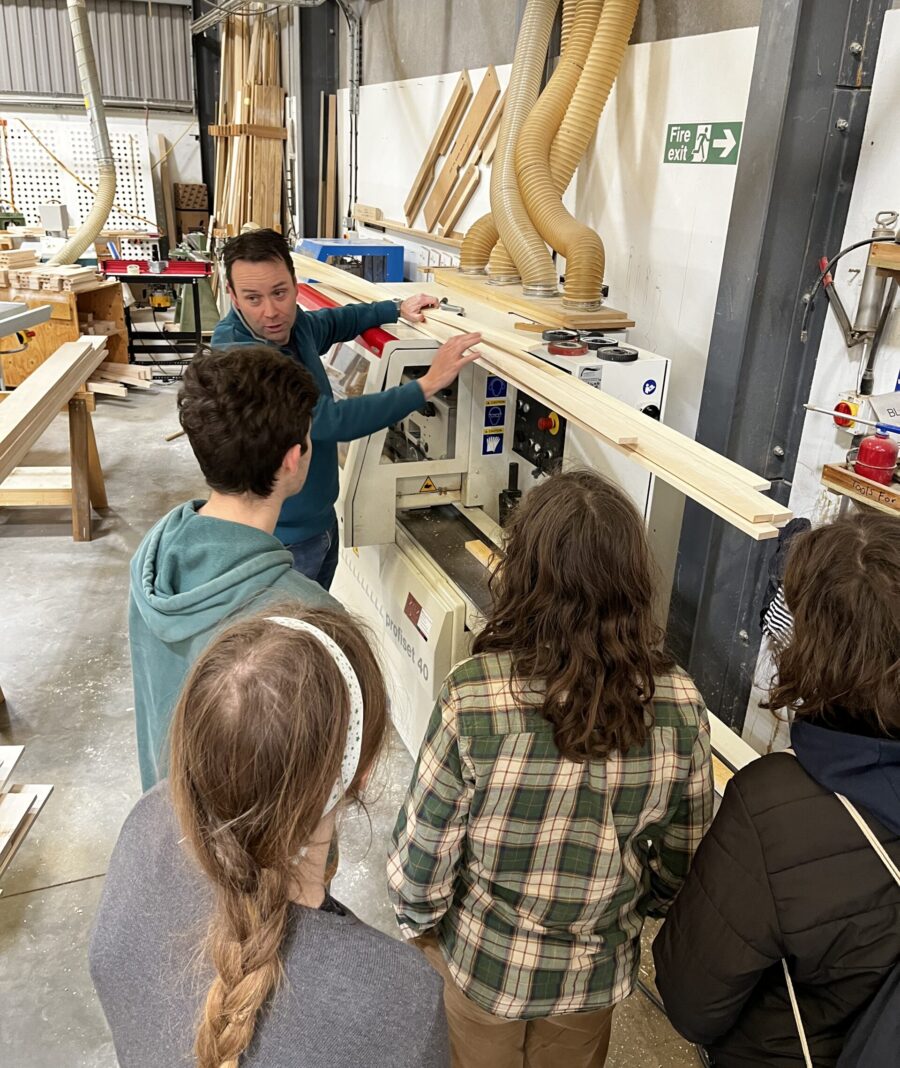
Investment Is Needed To Restore Technical Education
“However, restoring technical education will achieve little unless we also restore the economy into which technically educated young people are expected to emerge.
A young person can be taught woodworking, furniture making or joinery, but there must be a viable business sector able to employ them when their courses end. If not, this policy will not just fail, but fail spectacularly, leaving thousands without jobs they themselves have been encouraged to invest time and emotion training for. At present, Britain’s small craft and manufacturing economy is not sufficiently robust to provide these opportunities at the scale required.
I fear this policy enters dangerous territory, and puts the cart before the horse. Shouldn’t the requirement for specialist career skills be driven by business need for those specialist skills? Many joinery and cabinetmaking businesses are small companies, often in rural locations, operating on tight margins.
Taking on a young person is not simply a matter of paying an entry-level wage. The employer must also provide supervision, factor in slower production time, training, administration, equipment and the valuable attention of other experienced craftspeople who would otherwise be producing chargeable work.”
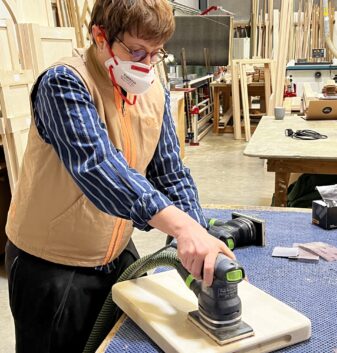
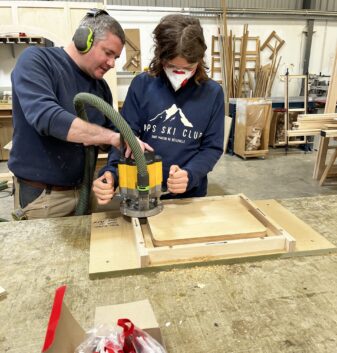
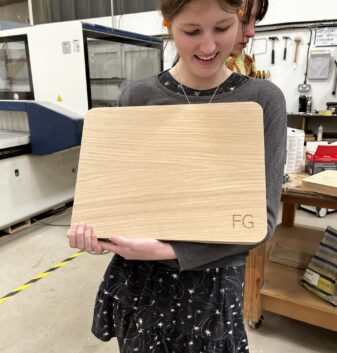
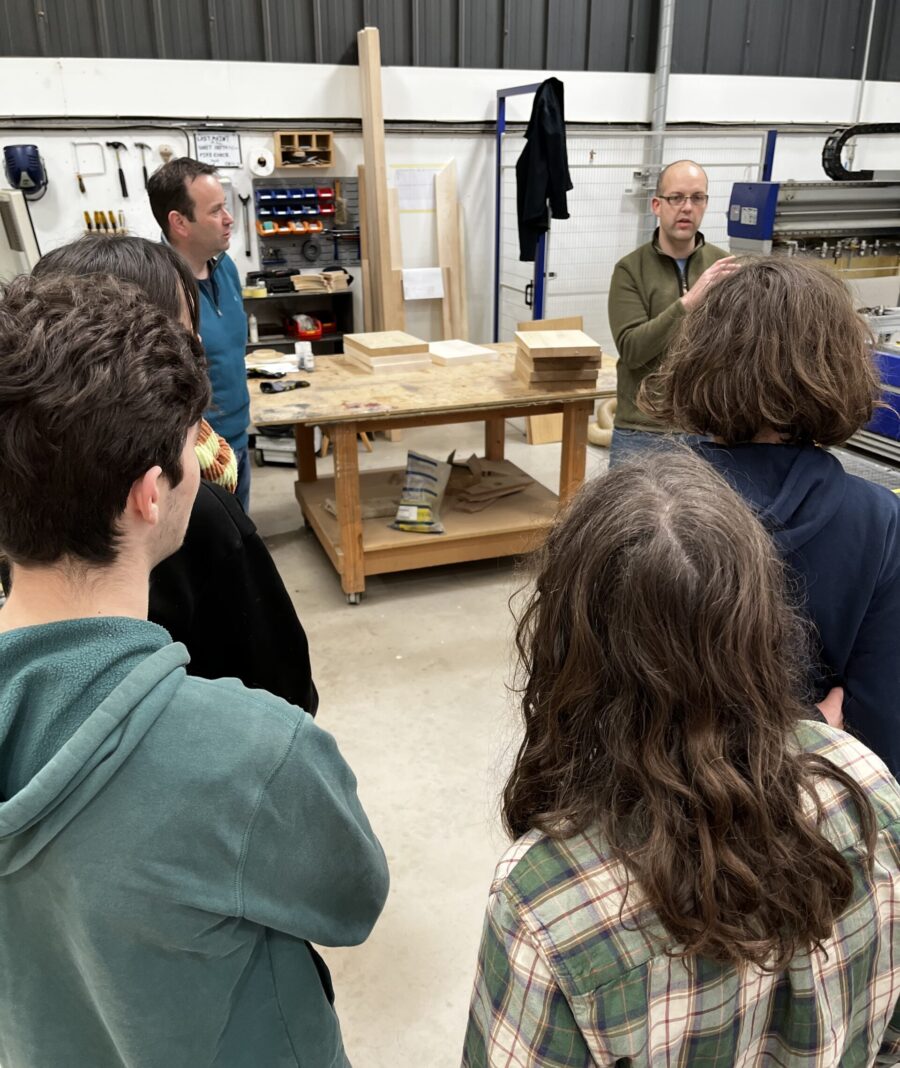
Rebuilding The Nation’s Skills Base
While the detail of Labour’s policy is unclear, it seems they will ask businesses like Guild Anderson | Estate Cabinetry, Artichoke, Halstock Cabinet Makers Ltd and Bill Cleyndert & Company to carry much of the cost (and risk) of rebuilding the nation’s skills base while simultaneously facing higher employment costs and taxation.
This is counterproductive. If the Government genuinely wants parity between technical and academic education, it must look at the whole route:
- School workshops fully equipped and funded to teach practical subjects.
- Enough knowledgeable teachers and technicians to teach them safely.
- Qualifications which reflect the realities of modern workshops like ours.
- Apprenticeship structures that small employers can navigate without excessive bureaucracy.
- And, crucially, tax and employment policies that make taking a chance on a young person economically attractive.
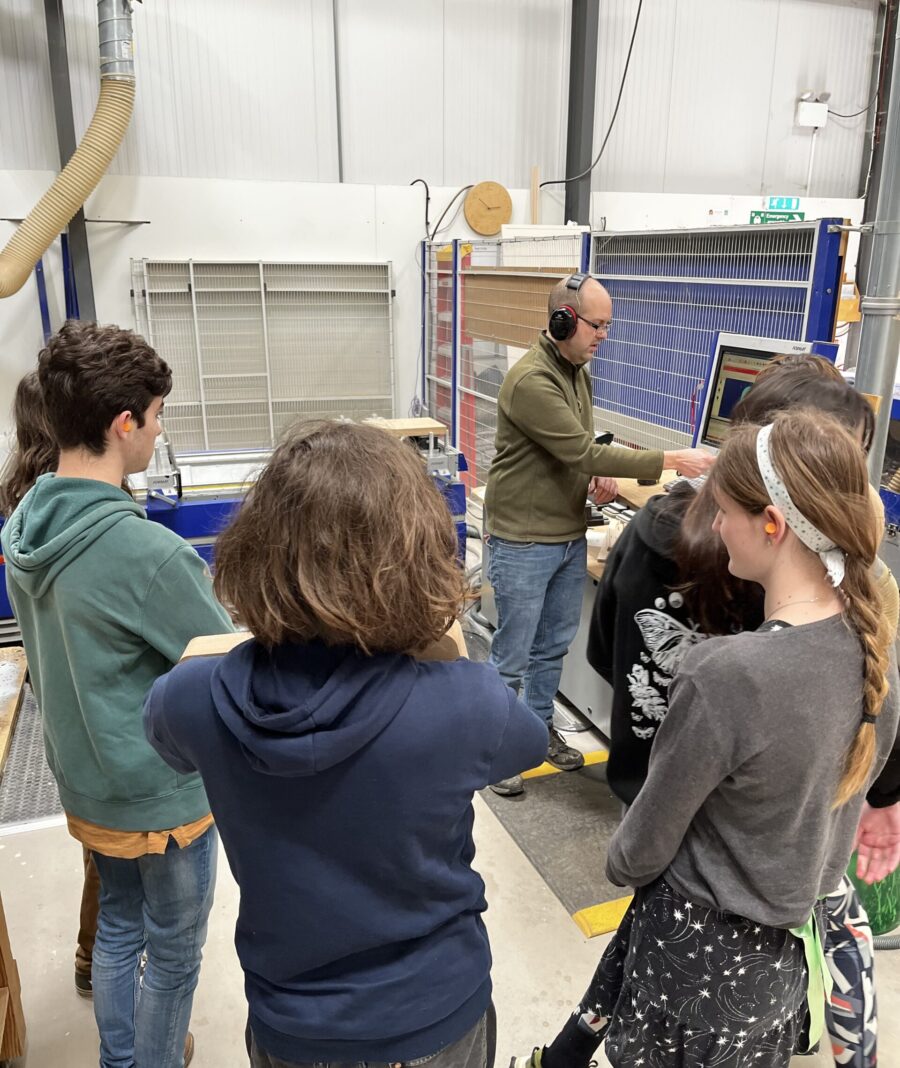
UK Students Make Excellent Designers & Cabinetmakers
The UK does not lack young people capable of becoming excellent designers, makers, joiners and cabinetmakers, but it has progressively removed the places where they might discover those abilities while simultaneously weakening the businesses capable of developing them.
Placing technical education on an equal footing with university is an important start. But parity of esteem must be matched by parity of investment combined with a viable path into lasting and fulfilling employment.
Otherwise, we risk teaching young people skills while leaving nowhere for those skills to go.
The Furniture Makers’ Company