Journal
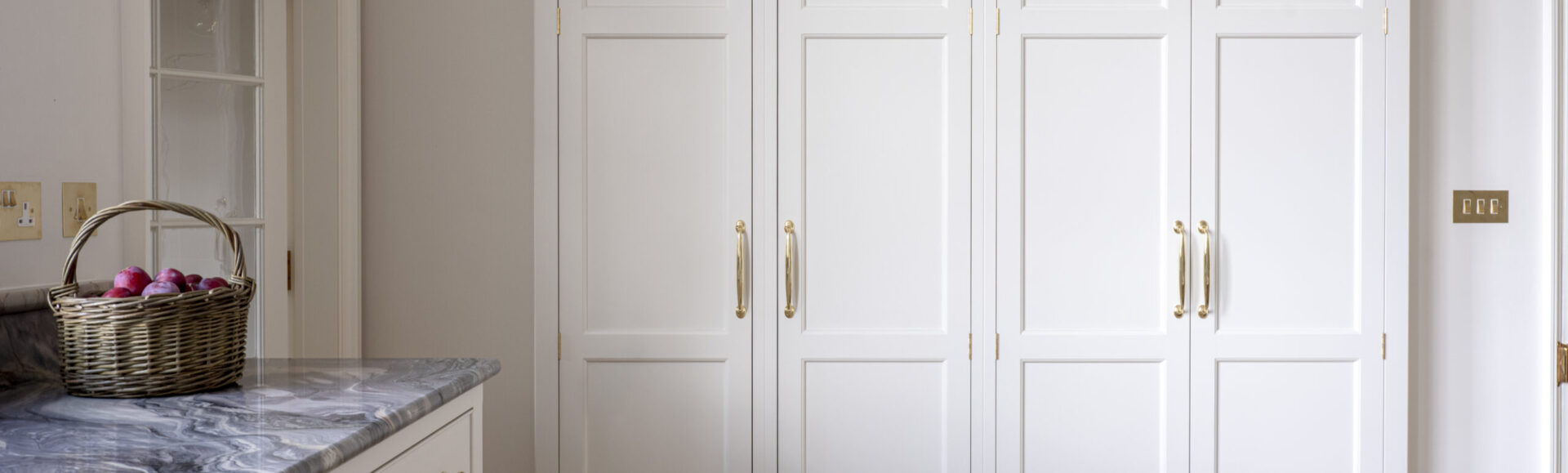
The phrase “Designed to Endure” runs like a silver thread through Guild Anderson. We exist to act as careful stewards of country houses, applying judgement, restraint and the estate joiner’s mindset to ensure the working rooms of a home belong to its architecture, serve daily life properly, and last for generations.
The right choice of hardwood for kitchens is therefore a big deal. Ours is an approach, not a product, and by applying the principles of estate joinery, we aim to create back of house spaces that blend seamlessly with period architecture. A large part of this is the choice of materials we use to make hardwood kitchens. The principal timber we use is maple, chiefly for doors, frames and drawer fronts. We are unusual in this regard, as our peers use tulipwood (or poplar), principally, we assume, because it is cheaper.
However, maple is harder, it is denser and weightier, it is more stable and it finishes better. This makes it much more suitable for rooms of utility in country houses which are meant to last decades rather than a few years. Or, in other words, designed to endure.
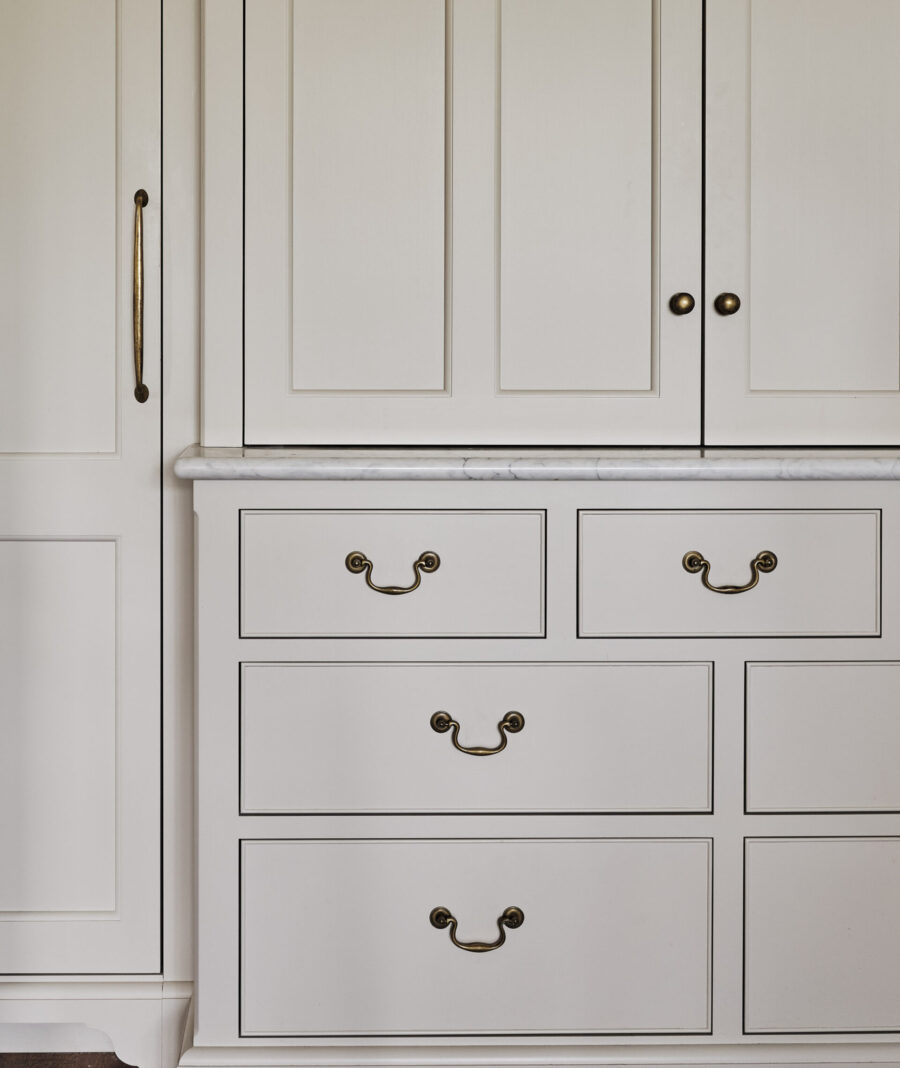
Maple – a ‘Proper’ Hardwood
Strength and durability – Maple is what we call a ‘proper’ hardwood. It resists dents, knocks, and wears far better than tulipwood which is relatively soft. Maple holds its shape and it doesn’t get chewed up by daily life.
Long-term stability – Maple is dimensionally stable when properly dried. It moves less with changes in humidity than tulipwood, which can twist or cup more readily, particularly in buildings still shedding damp from the building process. That matters in furniture with tight tolerances around doors, drawers, framed panels.
Clean machining and joinery – Maple cuts cleanly, holds crisp details, and takes joinery (such as mortice and tenon joints) brilliantly. Tulipwood can feel a bit “woolly” when worked, and it doesn’t hold sharp edges as confidently.
Finish quality – Much of our work is painted, and maple paints beautifully and gives a very smooth, refined surface. If left visible, its grain is subtle and even. Tulipwood can blotch, show green or purple undertones and telegraph imperfections through paint over time.
Longevity and repairability – Maple furniture survives knocks and can be repaired, refinished, and reworked decades later. Poplar bruises easily and once damaged tends to look tired rather than patinated.
So why does tulipwood get used by our competitors at all?
Tulipwood is a great wood; we used to use it ourselves for hardwood kitchens. It is cheaper than maple, lighter, and easy to work. But for structural or visible furniture parts, we felt it was a compromise, and as the stature of the types of houses broadened across the estate, we felt that an upgrade to maple was due.
Tulipwood is chosen when cost and speed matter more than lifespan. When furniture is expected to endure use, age gracefully, and feel solid, maple is a much more suitable option in our view.